

Apartment and Condo Moves Simplified
NetMOVE
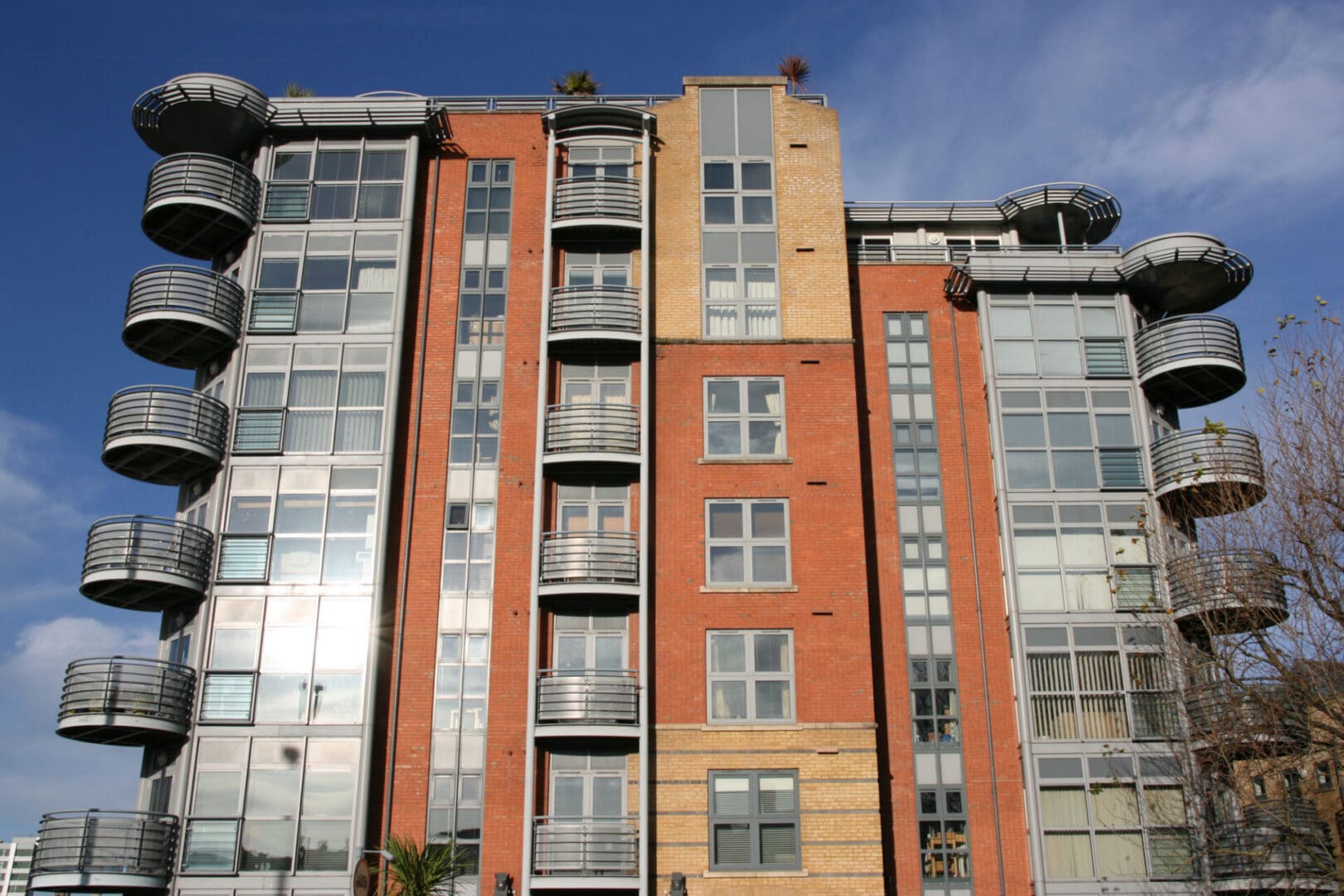
Moving into or out of an apartment or condo involves a different set of challenges than a standard house move. Building rules and limited access points all need to be factored in before moving day arrives, and the coordination required can catch people off guard if they have only moved between houses before. With the right preparation and the right team behind you, those challenges become manageable, and the whole experience tends to go much more smoothly than most people expect.
The Types of Moves That Come With Their Own Demands
Not every apartment or condo move looks the same. Knowing which type of move you are dealing with shapes how the planning process unfolds, and some situations call for a more specialized approach than others.
Local Apartment Moves
Short-distance moves within the same city or neighborhood are easy to underestimate. The drive may be brief, but working through a building and staying within the property’s scheduled moving hours takes real coordination.
Local movers who are familiar with apartment buildings understand these constraints and can work within them without slowing the whole day down.
Condo Relocations
Condo moves tend to involve service elevators and loading docks that need to be reserved in advance. Most buildings restrict move-in and move-out activity to specific windows of time, and coordinating with the building before the truck arrives makes a noticeable difference. Getting those details confirmed early is one of the more important steps in the process.
Bulky Furniture Moves
Apartments and condos are not always designed with large furniture in mind. You may have issues with bulky furniture.
Getting a sectional sofa or a king-size bed frame through a narrow hallway takes more than effort. It takes experience knowing how to handle oversized items safely without damaging the furniture or the walls around it, and having the right equipment on hand before the job starts is essential.
Senior Apartment Moves
Older adults transitioning to a new living space benefit from a different kind of approach. The pace tends to be more measured, and the emotional side of the move often calls for more patience and communication than a standard relocation. A team that understands this can make the process feel far less disruptive and give the resident more confidence throughout.
The Practical Details That Make a Move Go Well
Getting the logistics right is what separates a smooth move from a frustrating one, and apartment buildings have rules that need to be respected.
Building management typically sets specific hours for move-in and move-out activity to minimize disruption to other residents. Missing that window can mean rescheduling or paying additional fees, so confirming the time frame well ahead of moving day keeps everything on track. Elevator reservations and loading dock access are worth sorting out at the same time.
Protecting shared spaces is another responsibility that falls on both residents and the moving team. Common areas like hallways and elevator interiors can take damage from furniture and equipment if the right precautions are skipped. Floor runners and padding on door frames go a long way toward preventing the kind of damage that leads to charges from building management.
Flat-rate pricing is worth understanding in this context as well. Moving costs can feel unpredictable when a building’s rules create delays or require extra steps. A flat-rate quote removes that uncertainty by locking in the cost upfront, making it easier to budget without worrying that the final bill will shift based on how long things take.
Storage as Part of the Moving Process
Not every apartment or condo move follows a clean, one-day timeline. Overlapping lease dates or a downsizing process that takes time can create situations where belongings need somewhere to go temporarily.
Portable storage units offer a practical solution for these in-between periods. Rather than rushing to move everything in one go, residents can load their belongings at their own pace and keep things stored until the space is ready. It is a flexible option that takes pressure off the timeline and gives people more control over how the process unfolds. This works especially well for those transitioning into a smaller unit who need time to figure out what actually fits before committing to a final layout.
Why Professional Support Changes the Experience
There is a real difference between a move that is simply completed and one that is handled well. Professional movers who work with apartments and condos regularly know what questions to ask before the job starts and how to protect both belongings and shared spaces throughout the process.
That experience matters most when things do not go exactly as planned. An elevator reservation that falls through or a building that requires additional documentation at the last minute are the kinds of situations a professional team navigates without derailing the entire day. Having that support in place allows residents to focus on settling into the new space rather than managing the logistics of getting there.
The difference also shows in how equipment and technique are used. A well-prepared team arrives with the right tools for the specific job, not a general-purpose setup that gets adapted on the fly. That level of readiness is what keeps the move on schedule and the building’s property protected from start to finish.
Contact our team today to find out how we can take the complexity out of your next apartment or condo move.
Frequently Asked Questions
How far in advance should I contact my building management about a move?
Most buildings recommend reaching out at least a few weeks ahead to confirm elevator reservations and moving hour restrictions.
What happens if my furniture does not fit through a doorway or stairwell?
Disassembly is often a straightforward solution, and most furniture can be reassembled once it reaches the new space. Our movers are experienced in handling small hiccups like this.
Is portable storage a good option if my new place is not ready yet?
A portable unit is perfect for this type of situation, as it lets you clear out your current space on schedule without having to rush the other end of the move. You can focus on packing without worrying about where your items will stay between spaces.
Do professional movers handle the protection of building common areas?
Yes, a professional team will typically bring the materials needed to protect floors and walls in shared spaces. It is worth confirming this when you book, so everyone is prepared ahead of time.